How Did China’s Reform and Opening-Up Transform the Country?
In 1978 China was poor, closed and mostly rural. What actually changed after reform and opening-up, in what order, and who paid the cost?
The archive
Understand the forces shaping modern Chinese society. This category explores education, employment, demographics, urban development, generational differences, and changing social attitudes. We provide context for complex issues, examine different perspectives, and draw on reliable sources to help readers understand not only what is happening in China, but also why.
6 stories
In 1978 China was poor, closed and mostly rural. What actually changed after reform and opening-up, in what order, and who paid the cost?
The city-countryside gap shapes income, schools and pensions in China. What the numbers show, what has changed in rural services, and whether the divide is narrowing.
Youth unemployment near 18%, a civil service lottery at 97 applicants per place, a fourth year of population decline. The pressures young Chinese adults describe are structural, and they differ…
Kylian Mbappé's casual 'Chinese dictator' remark about Mao Zedong triggered brand cancellations and a broadcast suspension. Here's why, for many Chinese people, that one-second joke was heard not as humor…
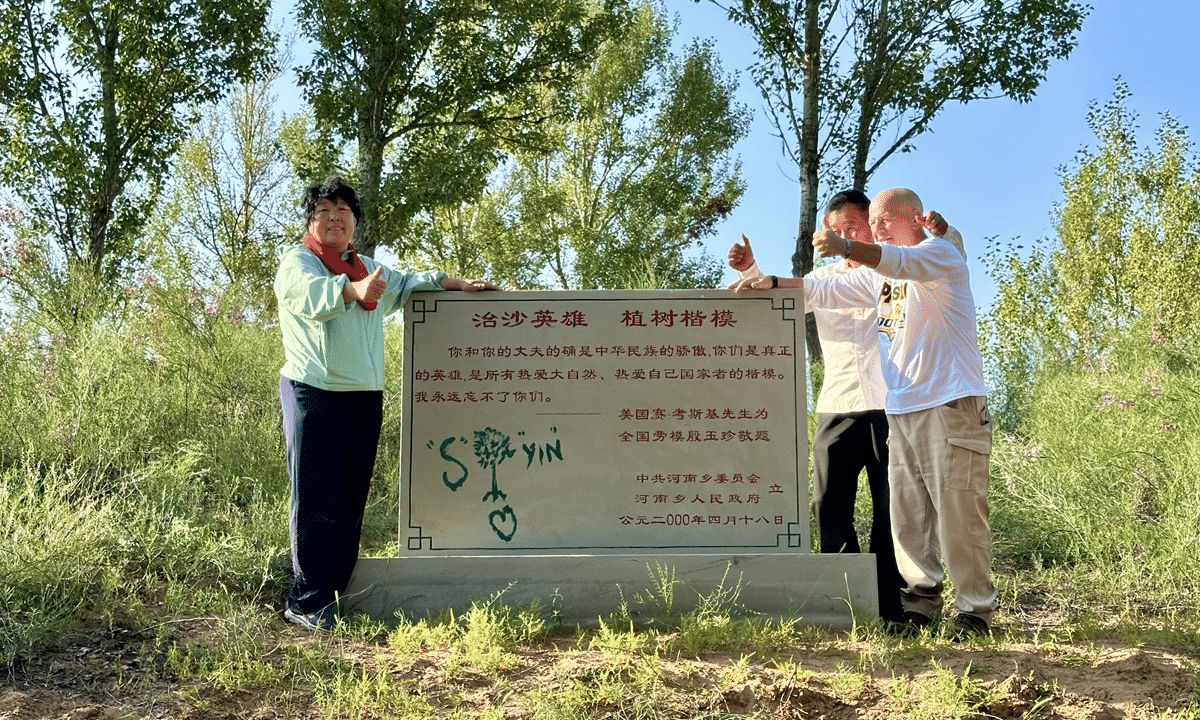
An American teacher's $5,000 donation became 50,000 trees in Inner Mongolia. What the viral reunion story gets right, and what it leaves out about how the Mu Us Sandy Land…
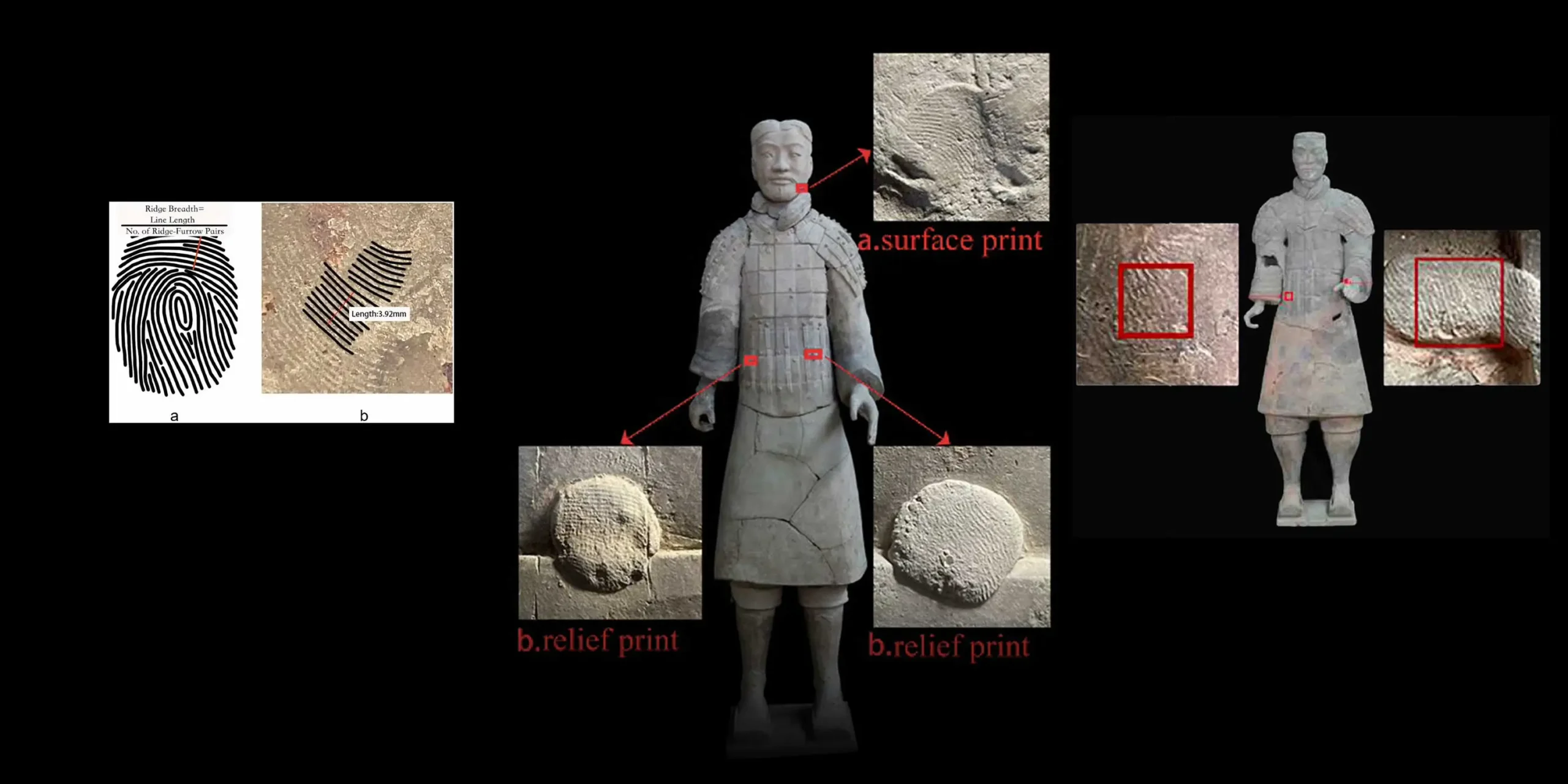
A new fingerprint study of 79 impressions on 36 warriors suggests women and adolescents worked alongside adult men on the Terra-cotta Army — but the researchers' own caveats matter as…