
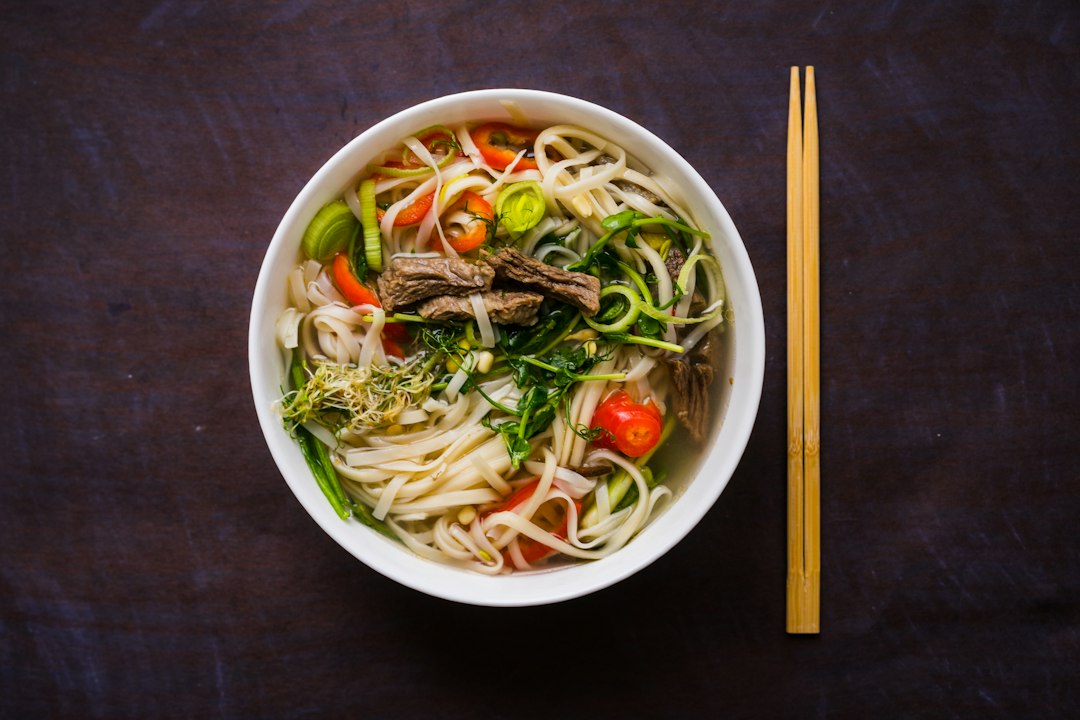
Twenty yuan is a small, blue-tinted note — the kind you might get back as change from a ¥100 bill. At exchange rates in late October 2026, it is worth about US$3. That single fact is almost useless on its own, because the real question is where you spend it. The same ¥20 buys a full bowl of beef noodles in a Kunming market and barely covers two-thirds of the identical bowl three blocks from a Shanghai office tower.
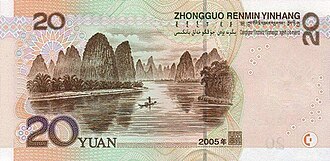
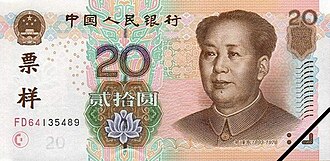
What follows is a price survey, not a slogan. The figures are typical ranges reported in 2026 cost-of-living and food guides, checked in late October 2026. Prices move with the neighborhood, the city, and the season, so treat these as reference points rather than guarantees.
First, what is ¥20 worth?
As of late October 2026, the US dollar trades at roughly ¥6.7, so ¥20 is about $3.00 (€2.75 or £2.30). It is a useful mental anchor because it sits just below the price of a cheap sit-down meal in most Chinese cities. The country’s own cost-tracking site Numbeo puts the national average for an inexpensive restaurant meal at about ¥20, which is precisely the number we are testing.
Breakfast: the cheapest full meal of the day
Breakfast is where ¥20 goes furthest. A savory jianbing crepe with an egg costs ¥6–10 at a street cart, and a steamed baozi bun runs ¥1–2 each. Soy milk is ¥2–4. Put together, a typical local breakfast — one jianbing with egg, or two baozi plus soy milk — lands at ¥8–15, leaving change from a ¥20 note.
The same order moves upmarket fast. Add sausage and cheese, or order near a landmark, and a jianbing climbs toward ¥20–30. A travel guide to city budgets puts the blunt comparison this way: the jianbing that sells for ¥8 at a Xi’an street cart goes for ¥35 at a Beijing café that rebrands it as a “traditional breakfast experience.” Same snack, different market.
Lunch: the bowl of noodles test
A bowl of noodles is the honest benchmark for ¥20. In 2026 food guides, the typical ranges are:
- Chengdu dan dan noodles: ¥10–22
- Chongqing xiaomian: ¥8–20
- Beef noodles: ¥18–35
- Rice noodles (Yunnan/Guangxi): ¥12–32
In Chengdu, Chongqing, Xi’an, Kunming, and most residential neighborhoods, ¥20 still gets you a real bowl — and often a small side. In Shanghai or Beijing mall food courts, the same category tends to start around ¥28 and reaches ¥45. A bowl of beef noodles reported at ¥35 in a Shanghai office tower sells for ¥12 in a Kunming market stall, a gap of nearly three to one for the same dish.
Drinks: where ¥20 has surprising power
Milk tea is the most visible reminder that Chinese consumer prices are not uniformly rising. A standard cup of milk tea or fruit tea runs ¥6–25 across the country. At the budget end, the giant chain Mixue sells drinks from about ¥4–6, and a fierce price war has pushed even premium brands downward — Heytea, once associated with ¥30+ cups, has dropped entry-level drinks as low as ¥4. A ¥20 note can therefore buy three or four budget milk teas, or one premium cup with toppings.
Groceries: what ¥20 puts in the kitchen
For staples, ¥20 goes further than a single restaurant meal. Egg prices in China hit a three-year high in 2026, with the national average reaching about ¥10–11 per kilogram in June and holding near ¥10 per kilogram through August, according to Ministry of Agriculture and Rural Affairs data reported in Chinese media. At that level, ¥20 buys roughly two kilograms of eggs — about thirty eggs — though retail prices in city supermarkets run higher.
Bottled water (500 ml) is a stable ¥2 in ordinary shops, and a bus or metro ride costs ¥2–6 in most cities. Twenty yuan can cover a day of short public-transit trips, a bottle of water, and a couple of breakfast buns with money left over — or a single mid-range noodle bowl in a first-tier mall. The spread between those two outcomes is the whole story.
Why the same note buys different things
China’s cities are commonly described in “tiers,” an unofficial but widely understood shorthand for development level, population, and prices. Tier 1 means Beijing, Shanghai, Guangzhou, and Shenzhen. New Tier 1 covers Chengdu, Hangzhou, Nanjing, Wuhan, Xi’an, and others, priced roughly 30–40% lower. Tier 2 and Tier 3 cities, plus county towns and villages, are cheaper still.
- Tier 1 (Shanghai, Beijing): ¥20 buys a small snack, a cheap breakfast, or one budget milk tea with change; a noodle bowl usually exceeds it.
- New Tier 1 (Chengdu, Xi’an, Wuhan): ¥20 buys a full noodle bowl, or breakfast plus a drink.
- Tier 3 and rural: ¥20 buys a substantial meal and often a snack on top; market meals can run ¥10–20.
The other variable is distance from a landmark, not just the city. Guides consistently report that walking two or three blocks away from a tourist gate cuts food prices by a third to a half. A ¥2 bottle of water becomes ¥5–10 at a scenic spot; a ¥12–18 noodle bowl becomes ¥35–55 on a famous street. You are often paying for the location, not the food.
The honest answer
Twenty yuan still buys a real meal across most of China, a modest breakfast almost everywhere, and a meaningful share of a day’s groceries or transit. What it does not do is erase the country’s internal price gaps. The same note is worth roughly three times as much in a Kunming market as in a Shanghai office tower, and twice as much on a residential side street as on a landmark avenue.
If you want to know what ¥20 actually buys, the answer is not a list. It is a question of where you are standing when you hand the note over.Generally speaking, one can have a simple meal.